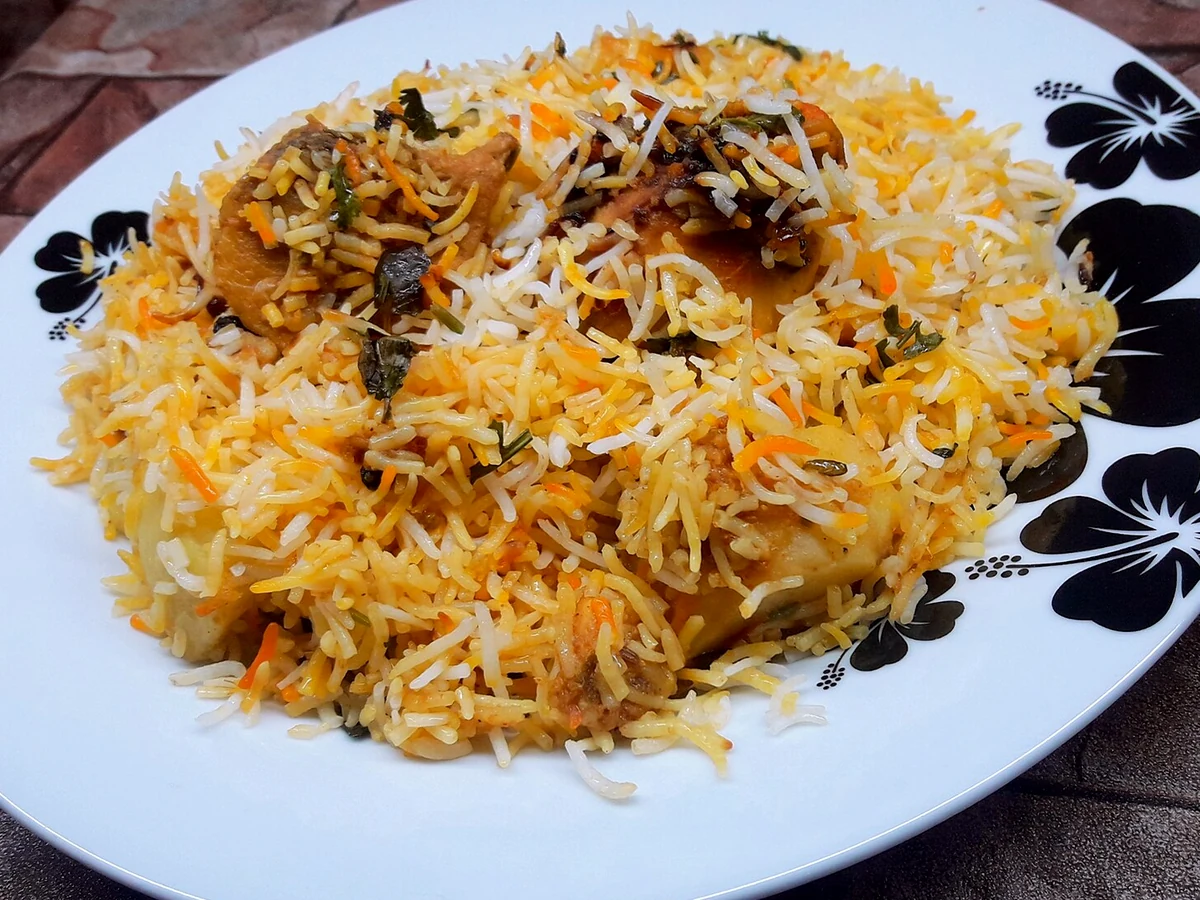
Chicken Pulao Recipe
چکن پلاؤ
Fragrant Pakistani chicken pulao with bone-in chicken, basmati rice and aromatic yakhni-style stock, finished on low heat for separate, flavourful grains.
Key cooking point: Do not automatically pour in all the stock; basmati varieties absorb different amounts of liquid.
ہڈی والے چکن، یخنی، خوشبودار ثابت مصالحوں اور باسمتی چاول سے تیار ہونے والا ہلکا مگر خوش ذائقہ پاکستانی چکن پلاؤ۔
اہم بات: چاول ڈالنے سے پہلے یخنی چکھیں؛ ذائقہ تیار پلاؤ سے تھوڑا زیادہ نمکین ہونا چاہیے۔

Ingredients for Chicken Pulao
- 750 g bone-in chicken
- 3 cups basmati rice, rinsed and soaked for 30 minutes
- 2 medium onions, thinly sliced
- 1 tbsp mixed whole spices
- ½ cup plain yogurt, whisked
- 2 tbsp ginger-garlic paste
- 4 tbsp cooking oil
- 4–5 green chilies
- 5 cups water for stock
- Salt to taste
How to Make Chicken Pulao — Step by Step
- Step 1Combine the chicken, about half the onion, half the ginger-garlic paste, half the whole spices, salt and the stock water in a pot. Simmer gently until the chicken is nearly tender and the liquid is flavourful.
- Step 2Remove the chicken carefully and strain the stock. Measure how much stock you have so the liquid added to the soaked rice can be controlled rather than guessed.
- Step 3Heat the oil in a heavy pot and fry the remaining onion until evenly golden. Add the remaining ginger-garlic paste and whole spices, then return the chicken and fry briefly.
- Step 4Lower the heat, add the whisked yogurt gradually with the green chillies and cook until the yogurt is incorporated and excess moisture reduces.
- Step 5Drain the soaked basmati well and add it gently. Pour in the amount of hot chicken stock appropriate for your rice variety and taste the cooking liquid for salt before absorption begins.
- Step 6Cook uncovered until most of the liquid is absorbed and steam holes appear across the rice. Cover tightly, reduce to very low heat and let the pulao finish gently without repeated stirring.
- Step 7Turn off the heat and rest covered for about 10 minutes, then fluff from the sides with a light hand and serve.
Technique That Matters
Pulao flavour is carried by the seasoned cooking liquid. Build a well-flavoured chicken and spice base first, then add rice with a measured amount of liquid and finish with controlled steam rather than repeatedly opening and stirring the pot.
Visual & Doneness Cues
- The stock should taste pleasantly seasoned before the rice goes in; weak stock usually produces weak pulao.
- As the rice nears completion, visible free liquid should be almost gone without the bottom smelling scorched.
- A finished grain should be tender through the centre and separate when lifted gently.
- Resting the covered pot briefly should allow steam to settle so the rice fluffs more cleanly.
Chicken Pulao Cooking Tips
- Do not automatically pour in all the stock; basmati varieties absorb different amounts of liquid.
- Avoid excessive stirring after adding rice to keep the grains intact.
- For 3 cups of soaked, well-drained basmati, begin by measuring about 4½ cups of total hot stock as a trial starting point, then adjust for your rice brand and how much liquid remains in the chicken masala. Count all stock and water together; do not add the full amount automatically.
- If the rice is still firm but the pot is dry, sprinkle a few tablespoons of boiling stock or water over the rice, cover tightly and steam on very low heat for a few more minutes; do not stir the grains.
- If free liquid remains while the rice is nearly tender, keep the pot uncovered briefly over low heat and watch closely; cover for dum only after most surface liquid has absorbed.
- If the bottom starts catching during dum, move the pot to a smaller burner or place a flat tawa underneath to soften direct heat. Do not scrape burnt rice into the pulao.
- If the stock tastes salty before the rice is added, dilute it with unsalted hot water and taste again; rice will absorb the seasoning, so correct the liquid before cooking.
Mistakes to Avoid
- Using a weak or under-seasoned yakhni and trying to repair the rice only after it has absorbed the liquid.
- Adding too much water for the particular rice batch.
- Stirring often after the grains soften, which releases starch and breaks basmati.
- Keeping the flame high after most liquid has been absorbed.
Substitutions & Adjustments
- Bone-in chicken contributes more flavour to the stock, but boneless thigh can be used with a shorter cooking time.
- Different basmati brands absorb liquid differently; keep notes on the rice you use instead of forcing one ratio onto every batch.
- If the stock is already salty, reduce added salt before the rice goes in.
Storage & Reheating
Storage: Cool leftover chicken pulao quickly and refrigerate within 1 hour in a shallow covered container. Use within 24 hours. Reheat only once until steaming hot throughout, adding a small splash of water and covering to restore moisture.
Reheating: Break up chilled pulao gently, add a small splash of water, cover and reheat over low heat or in short microwave intervals until the chicken and rice are steaming hot.
Questions About Chicken Pulao
Why does chicken pulao taste bland?
Pulao depends heavily on the yakhni. Taste and correct the stock before adding rice because the grains absorb that seasoning.
Why did my pulao become mushy?
Too much liquid, very long soaking, overcooking before dum, or vigorous stirring can all soften and break the grains.
Should pulao rice be soaked?
A short soak can help many basmati varieties, but the ideal time depends on the rice. Follow the behaviour of your regular brand and drain it well.
How much stock should I use for chicken pulao?
For 3 cups of soaked, well-drained basmati, about 4½ cups of total hot stock is a practical trial starting point, not a universal rule. Count the stock and any liquid left in the chicken masala together, and hold some stock back until you judge how your rice absorbs it.
اجزاء
- 750 گرام ہڈی والا چکن
- 3 کپ باسمتی چاول
- 2 پیاز، سلائس کی ہوئی
- 1 کھانے کا چمچ ثابت گرم مصالحہ
- ½ کپ سادہ دہی
- 2 کھانے کے چمچ ادرک لہسن پیسٹ
- 5 کپ پانی یخنی کے لیے
- نمک اور ہری مرچیں
چکن پلاؤ بنانے کا طریقہ — مرحلہ وار
- مرحلہ 1چاول اچھی طرح دھو کر 25 سے 30 منٹ بھگو دیں۔ دیگچی میں ڈالنے سے پہلے پانی نکال دیں۔
- مرحلہ 2بھاری دیگچی میں تیل گرم کریں اور درمیانی آنچ پر پیاز یکساں سنہری ہونے تک فرائی کریں۔ چاہیں تو تھوڑی پیاز گارنش کے لیے نکال لیں۔
- مرحلہ 3ثابت مصالحے، ادرک لہسن پیسٹ اور چکن ڈالیں۔ 6 سے 8 منٹ بھونیں یہاں تک کہ چکن کا کچا رنگ ختم ہو جائے اور ہلکی براؤننگ آ جائے۔
- مرحلہ 4دہی، ہری مرچیں اور نمک شامل کریں۔ 4 سے 5 منٹ پکائیں یہاں تک کہ دہی جذب ہو جائے اور مصالحہ چکن پر اچھی طرح لگ جائے۔
- مرحلہ 5مقدار کے مطابق پانی ڈالیں، اُبال آنے دیں، پھر ڈھک کر ہلکی آنچ پر پکائیں یہاں تک کہ چکن گل جائے اور یخنی کا ذائقہ مناسب نمکین ہو۔
- مرحلہ 6چاول ڈالنے سے پہلے مائع کی مقدار چیک کریں۔ 3 کپ بھیگے ہوئے باسمتی چاول کے لیے اتنی گرم یخنی رکھیں کہ چاول پک جائیں مگر شوربہ زیادہ نہ رہے؛ ضرورت ہو تو تھوڑا گرم پانی شامل کریں۔
- مرحلہ 7پانی نکالے ہوئے چاول ڈالیں، ہلکا اُبال آنے دیں اور بغیر ڈھانپے پکائیں یہاں تک کہ زیادہ تر پانی جذب ہو جائے اور سطح پر بھاپ کے چھوٹے سوراخ بننے لگیں۔
- مرحلہ 8اچھی طرح ڈھانپ کر بہت ہلکی آنچ پر 10 سے 12 منٹ دم دیں۔ آنچ بند کر کے 8 سے 10 منٹ آرام دیں، پھر کانٹے سے نرمی سے پھلائیں۔
اہم ہدایات
شروع کرنے سے پہلے پوری ترکیب پڑھ لیں، تمام اجزاء ناپ لیں اور کٹنگ، بھگونے یا میرینیٹ کرنے کا کام پہلے مکمل کر لیں۔
پلاؤ جلد ٹھنڈا کر کے فریج میں 2 دن تک رکھیں۔ دوبارہ گرم کرتے وقت تھوڑا سا پانی چھڑک کر مکمل گرم کریں۔
مزید بہتر نتیجے کے لیے ٹپس
- آخری دم کے دوران آنچ بہت ہلکی رکھیں تاکہ نیچے نہ لگے۔
- چاول پلٹنے سے پہلے پلاؤ کو آرام دیں تاکہ دانے کم ٹوٹیں۔